
THE SIKH GURUS
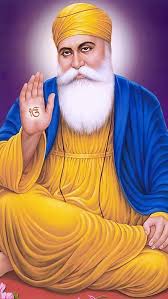 Guru 1
Guru Nanak Dev Ji
The first of the Gurus and the founder of the Sikh religion was Guru Nanak. Born at Talwandi (Nankana Sahib) on October 20, 1469, Guru Ji mastered Punjabi, Sanskrit, and Persian at an early age. He revolted against ritualism, caste prejudices, and hypocrisy, regarding all humanity as equal. He completed four great journeys across India, Arabia, and Persia, sharing divine wisdom with all communities.
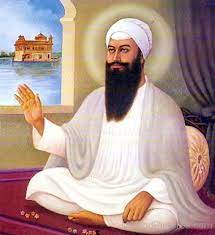 Guru 2
Guru Angad Dev Ji
Born in 1504, Guru Angad Dev Ji popularized and standardized the Gurmukhi script, in which the Sri Guru Granth Sahib Ji is recorded. He opened schools for children, established the Mall Akhara for physical and spiritual training, composed 63 Saloks, and expanded the sacred tradition of Guru Ka Langar.
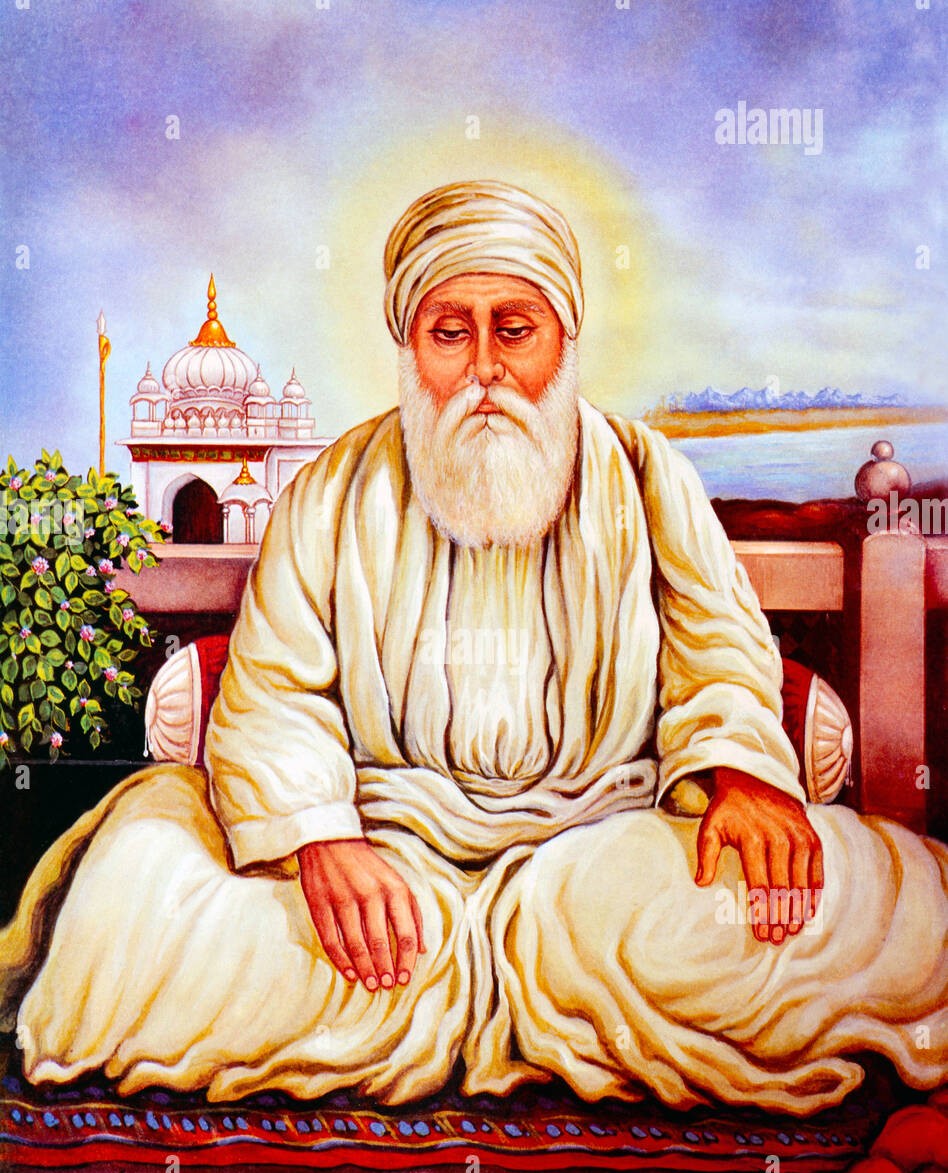 Guru 3
Guru Amar Das Ji
Born in 1479, Guru Amar Das Ji actively fought against caste restrictions, untouchability, and social inequality. He required all visitors to partake in Guru Ka Langar before meeting him. He instituted Anand Karaj marriage ceremonies and advocated for women's rights by abolishing Sati and Purdah customs.
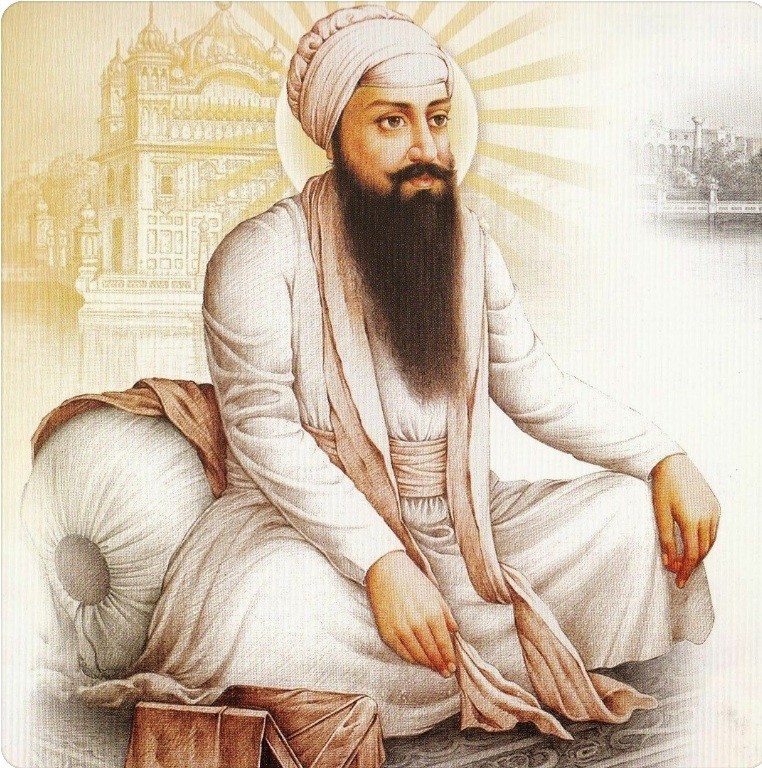 Guru 4
Guru Ram Das Ji
Born in 1534, Guru Ram Das Ji founded the holy city of Amritsar and initiated the construction of Sri Harmandir Sahib (Golden Temple). He composed the Lawan hymns, which form the sacred core of the Sikh marriage ceremony.
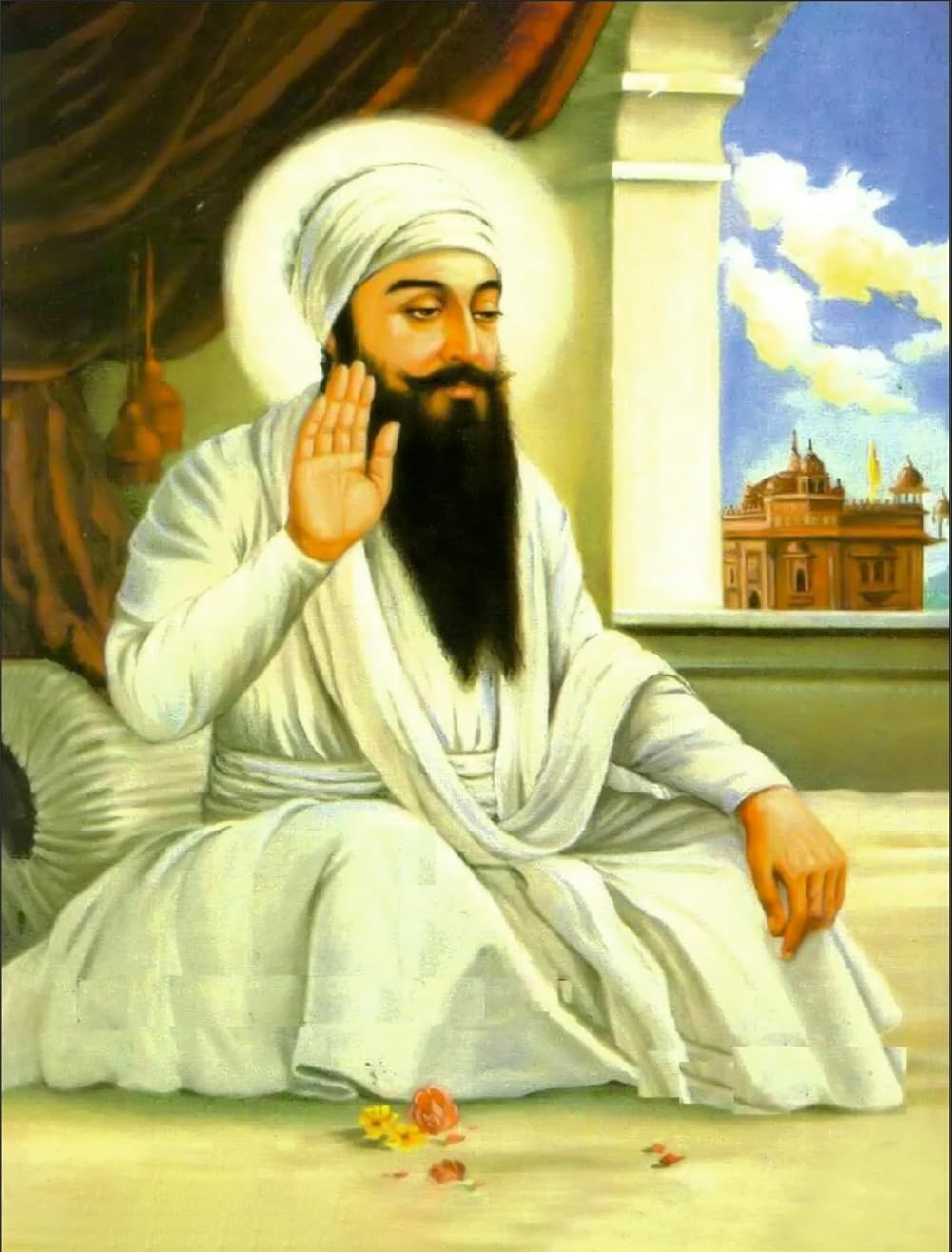 Guru 5
Guru Arjan Dev Ji
Born in 1563, Guru Arjan Dev Ji compiled the Adi Granth and composed Sukhmani Sahib. He completed the construction of Sri Darbar Sahib in Amritsar. Guru Ji became the first martyr in Sikh history when he embraced martyrdom under Mughal Emperor Jahangir for upholding religious freedom.
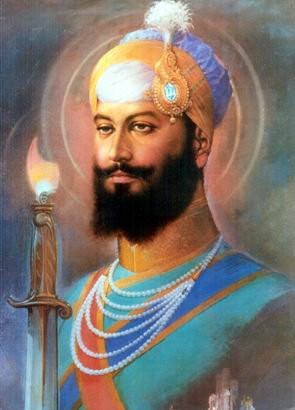 Guru 6
Guru Har Gobind Ji
Born in 1595, Guru Hargobind Ji established the concept of Miri-Piri (spiritual and temporal power) and built Sri Akal Takhat Sahib. Known as a "soldier-saint," he organized a defensive army to protect the weak against tyranny.
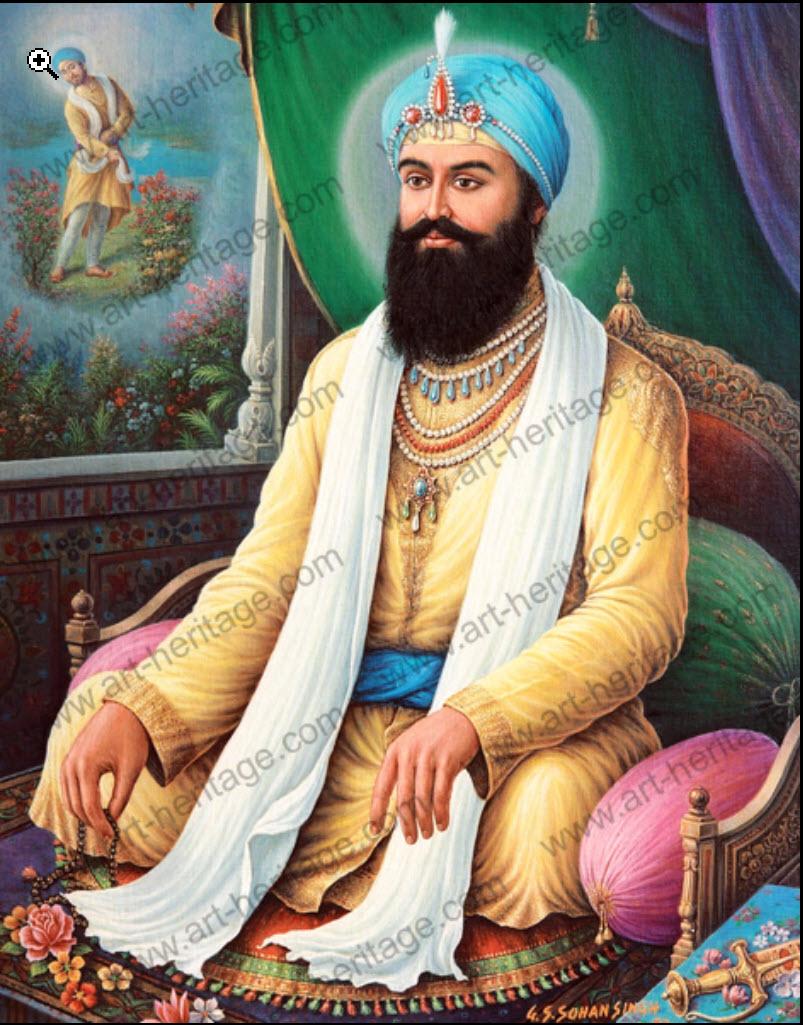 Guru 7
Guru Har Rai Ji
Born in 1630, Guru Har Rai Ji devoted his life to meditation, botanical healing, and expanding community welfare. While maintaining the military readiness of the Sikhs, he emphasized peace, compassion, and spiritual strength.
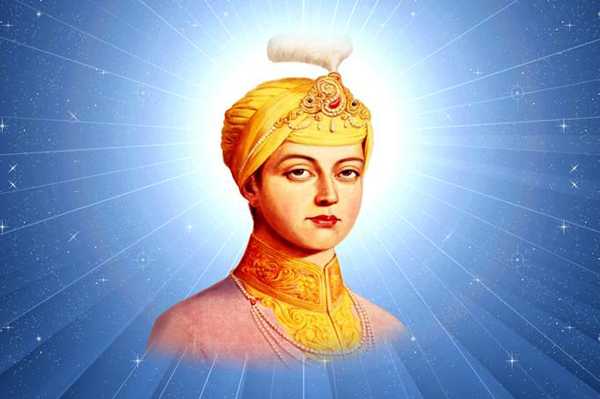 Guru 8
Guru Har Krishan Ji
Born in 1656, Guru Har Krishan Ji was installed as Guru at age five. Known affectionately as 'Bala Pir' (child prophet), he gave his life in Delhi while serving and healing victims of a smallpox epidemic regardless of caste or religion.
 Guru 9
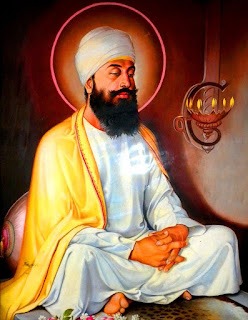
Guru Tegh Bahadur Ji
Born in 1621, Guru Tegh Bahadur Ji founded Anandpur Sahib. He sacrificed his life in Delhi to protect the freedom of conscience and religious rights of Kashmiri Pandits, earning the title 'Hind Di Chadar' (Shield of India).
 Guru 10
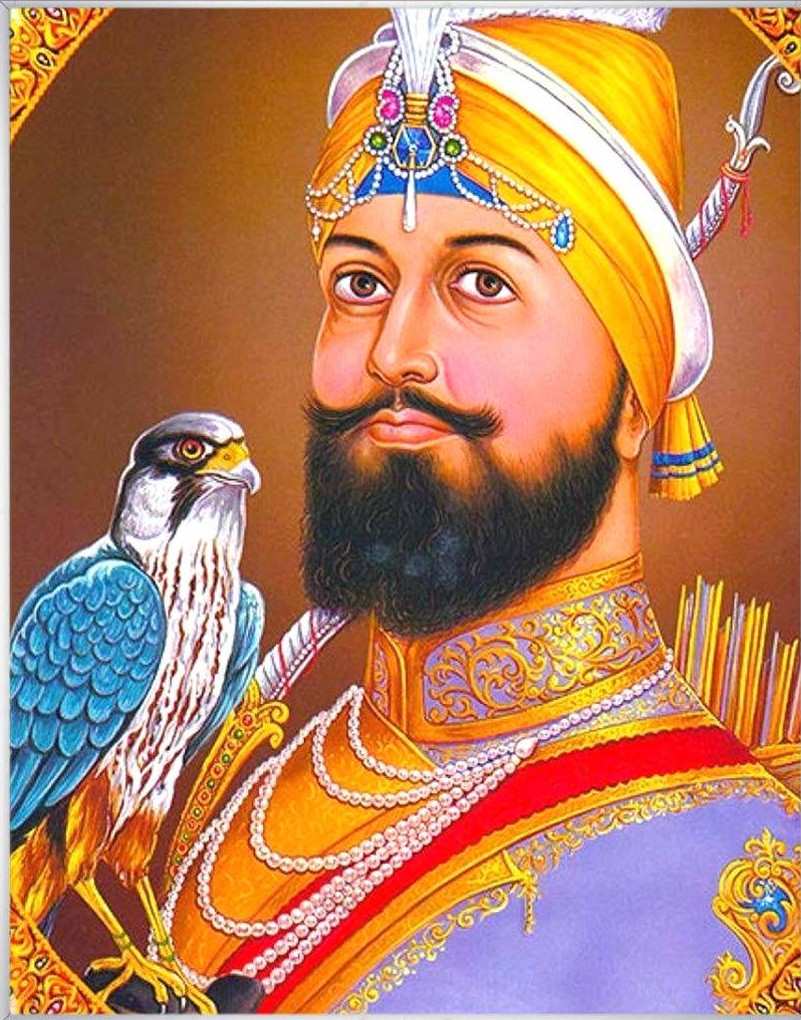
Guru Gobind Singh Ji
Born in 1666, Guru Gobind Singh Ji created the Khalsa Panth in 1699, instilling saint-soldier values. Before passing in 1708, he bestowed eternal Guruship upon Sri Guru Granth Sahib Ji as the permanent spiritual guide for all generations.
 Guru 11
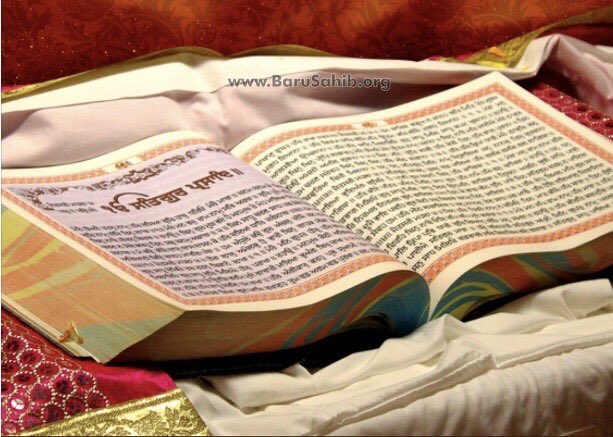
Guru Granth Sahib Ji
Sri Guru Granth Sahib Ji is the living eternal Guru of the Sikhs. Composed in Gurmukhi script, it contains divine hymns from Sikh Gurus and revered saints across diverse religious backgrounds, embodying universal spiritual wisdom.