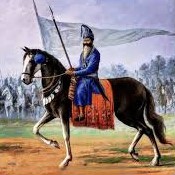
Who Was Akali Phula Singh Ji?
Akali Phula Singh Ji (1761–1823) was a legendary Nihang general and religious leader of the Sikh Panth. Known for his strict adherence to Sikh Rehat Maryada (discipline), fearless spirit, and military genius, he led the Akali Nihang army under Maharaja Ranjit Singh and became a symbol of courage and righteousness.
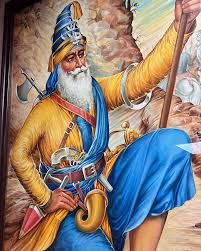
Early Life & Nihang Upbringing - Akali Phula Singh Ji
Born in Amritsar in 1761, Akali Phula Singh Ji joined the Nihang Dal at a young age. He was trained in Gurmat, martial arts, and battlefield strategy. Living an austere and spiritual life, he led the Budha Dal (senior division of Nihangs) and emphasized Naam Simran, Seva, and martial readiness.
Leadership and Rehat Maryada - Akali Phula Singh Ji
He was known as the upholder of discipline and fearlessly challenged even kings when Sikh values were at stake. Once, when Maharaja Ranjit Singh violated Sikh principles, Akali Phula Singh Ji summoned him for correction and even administered public punishment—demonstrating his commitment to truth and justice above all.
Military Brilliance - Akali Phula Singh Ji
Under his leadership, the Nihang warriors played vital roles in battles across Kashmir, Multan, and Hazara. He led the fiercest Sikh contingents with blue battle robes, curved swords, and unmatched fearlessness. His presence in battle invoked fear in enemies and courage in allies.
Martyrdom in Battle of Naushera
In 1823, during the campaign against Afghan forces in the Battle of Naushera, Akali Phula Singh Ji led a charge against the enemy despite being heavily outnumbered. True to the spirit of a saint-soldier, he attained Shaheedi on the battlefield, leaving behind a legacy of valor and sacrifice.
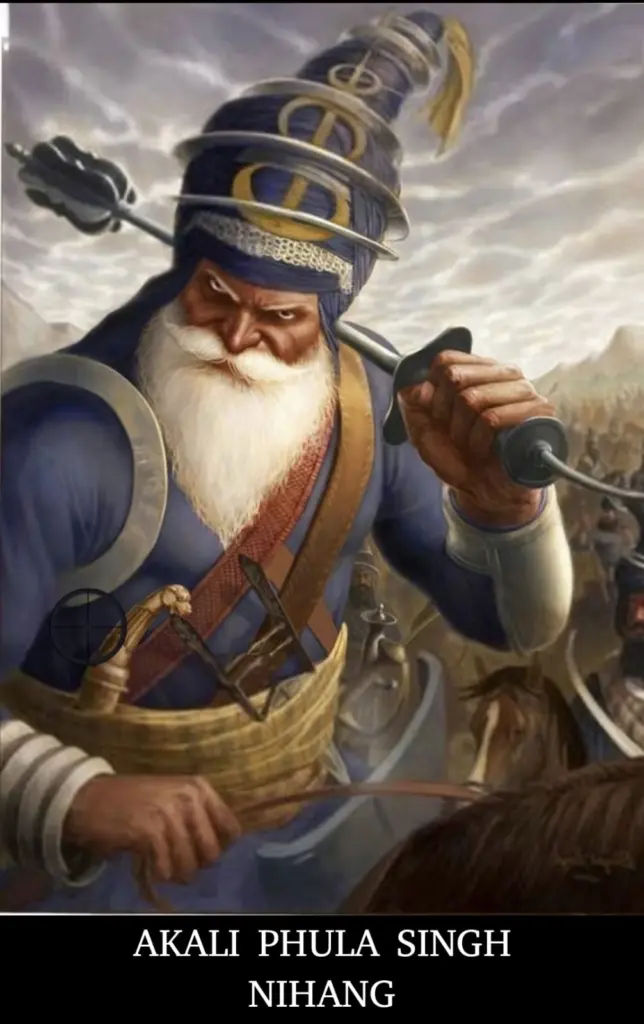
Legacy - Akali Phula Singh Ji
Akali Phula Singh Ji is revered as one of the greatest generals of the Sikh Empire. He is remembered not only for his martial skills but also for his spiritual leadership, discipline, and unwavering commitment to the Khalsa ideals. His legacy lives on through the Nihang tradition, which continues to honor his principles to this day.