
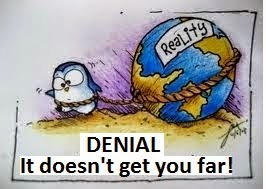
Denial is to deny the reality of an unpleasant fact altogether — holding onto our own perception of reality out of fear of consequences. Think of a woman insisting “I am yet to hit forty,” or someone who refuses to step on a scale for fear of the truth: age and weight are things we often view through rose-tinted glasses.
The good in the bad
Denial can be the first stage of a healthy coping cycle after trauma — an initial disbelief that gives way to repression while we gather emotional resources to face reality, then acceptance, then sorrow, then a return to normal life. In relationships and at work, a degree of casual denial can be a “relationship maintainer,” giving us time to adjust to a distressing situation rather than forcing constant confrontation.
Using denial positively
- Try to see situations from different perspectives
- Believe in yourself, trust others
- Think of alternatives
- Remember the mind comes to terms with reality in a slow, safe way
When denial goes on too long
Everyone — politician, business tycoon, star, or ordinary person — denies something daily. But prolonged denial delays the mature acceptance of truth, and being an escapist in the long run does harm. Someone diagnosed with a serious illness, repeatedly retesting hoping for a different answer, or a friend staying in denial about mounting debt while continuing to spend, shows how denial can deepen into an alternate reality, unhealthy and eventually painful when the bubble bursts.
Excessive daily denial signals weak coping mechanisms. Don't be scared of denial — it's our mind's way of accepting there's a problem, which is actually a good sign. Make a “denial list,” step outside your comfort zone, and ask whether life would be better after accepting and changing those items. Accept, then think, and the rest becomes easier — that is how we undo denial and find our Purpose of Life.