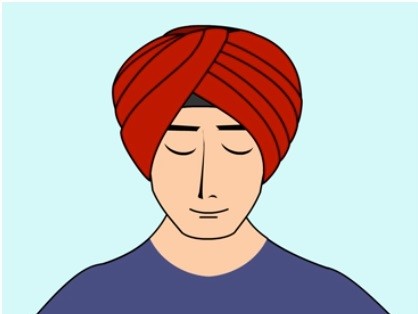
A Sacred Crown of Identity, Equality, and Resilience
Sikh Turban (Dastar) — Significance & Tradition
The Significance of the Turban in Sikh Culture
The turban in Sikhism is far more than cloth — it is a marker of identity, a spiritual crown and a public statement of commitment to Sikh values: equality, service and justice.
Religious & Cultural Significance
- Identity: A visible sign of Sikh identity and principles.
- Equality: Wearing the turban rejects caste-based status and affirms equality.
- Spirituality: Considered a crown; worn with reverence.
- Respect & Dignity: Symbolises discipline and honour.
Practical Aspects
- Protection: Shields against sun, dust and cold historically.
- Hair care: Keeps uncut hair tidy and respected as sacred.
Social & Political Context
The turban also plays a role in visibility and civil rights. Sikhs sometimes face misunderstanding or discrimination because of their appearance; the turban has therefore become a symbol of resilience and assertion of religious freedom.
The History of the Sikh Turban
While turban traditions existed across South and Central Asia long before Sikhism, the turban acquired special meaning within Sikhism. In the late 17th century, Guru Gobind Singh created the Khalsa to defend the oppressed and to remove caste distinctions. As a visible equaliser, members of the Khalsa were instructed to wear the turban — a practice which affirmed dignity regardless of birth status.
Guru Gobind Singh also asked members of the Khalsa to adopt common last names — Singh for men and Kaur for women — to further remove caste markers and to ensure women retained independent identity.
Components, Styles & Colors
Turbans are made from long pieces of cloth (commonly cotton) and can be tied in many regional and personal styles.
Common elements
- Cloth: Long fabric strips (cotton, sometimes silk).
- Styles: Dastar, pagri, keski and many local variations.
- Color: Color choices range by preference and occasion.
List of Common Styles
Parna — Gol Dastar (Round)
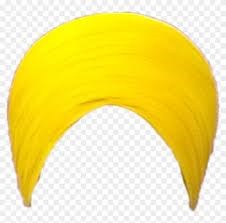
Pagg Style Parna
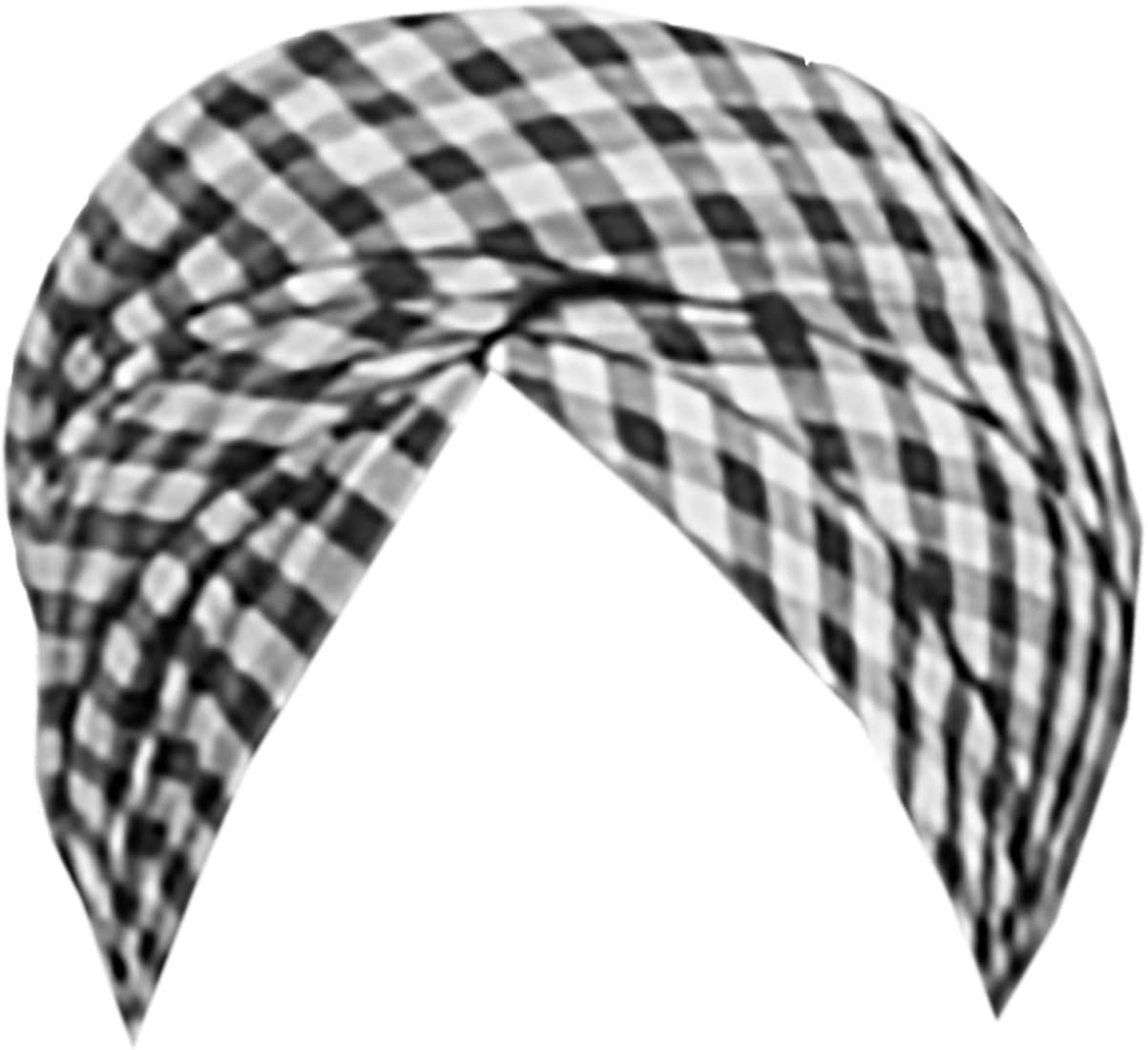
Parna — Two Meters
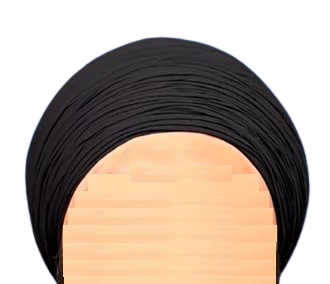
Watta Wali Dastar (Wrinkled)
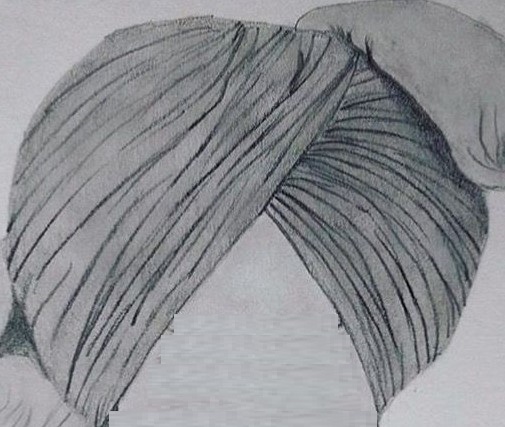
Patiala Shahi (Royal)
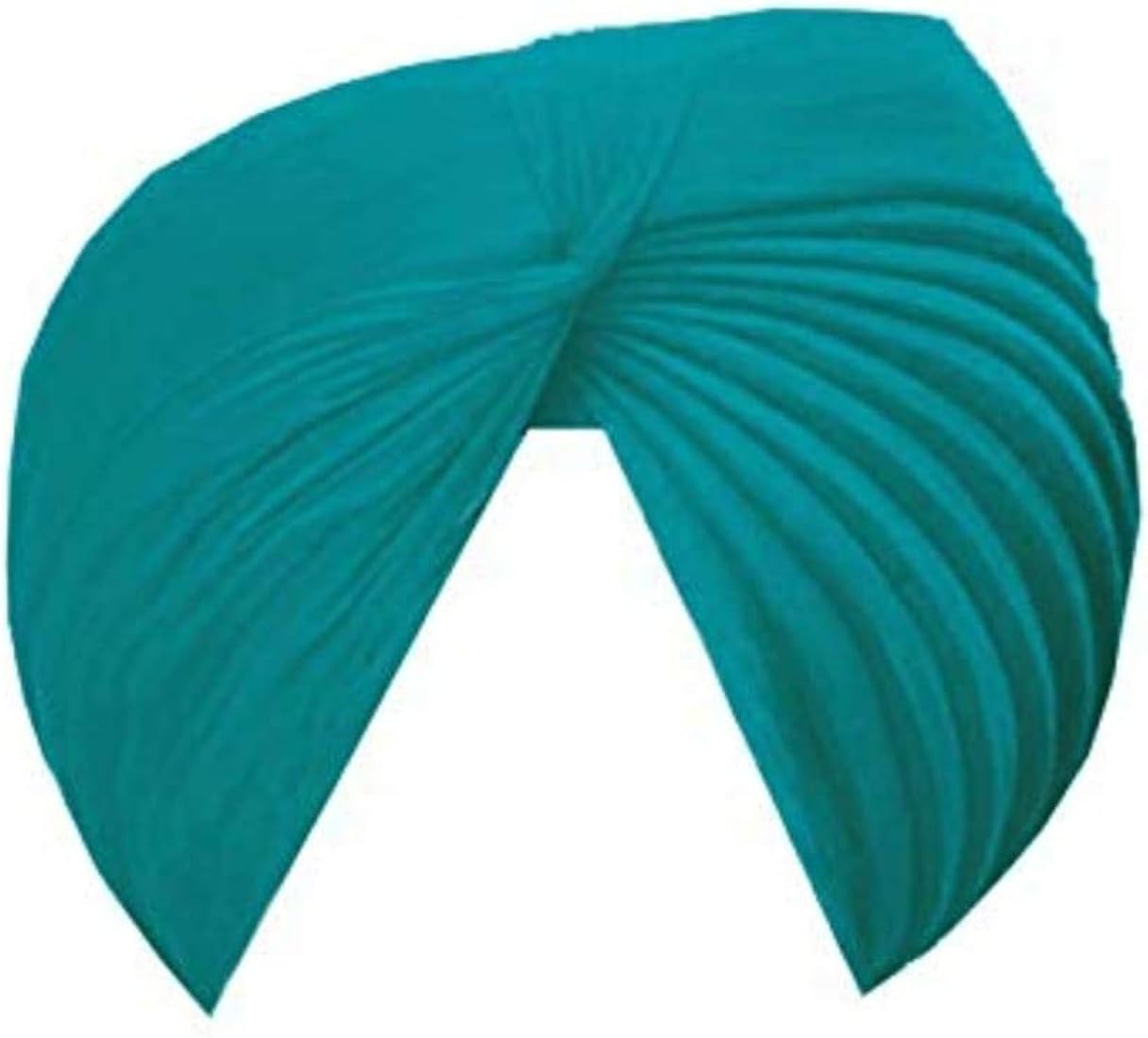
Barnala Shahi
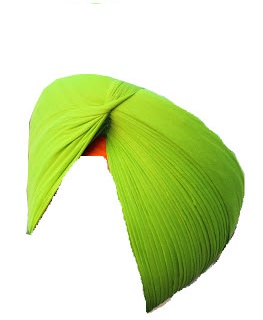
Pochvi

Morni Style (Flared)
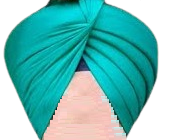
Dumalla (Spiritual / Warrior)
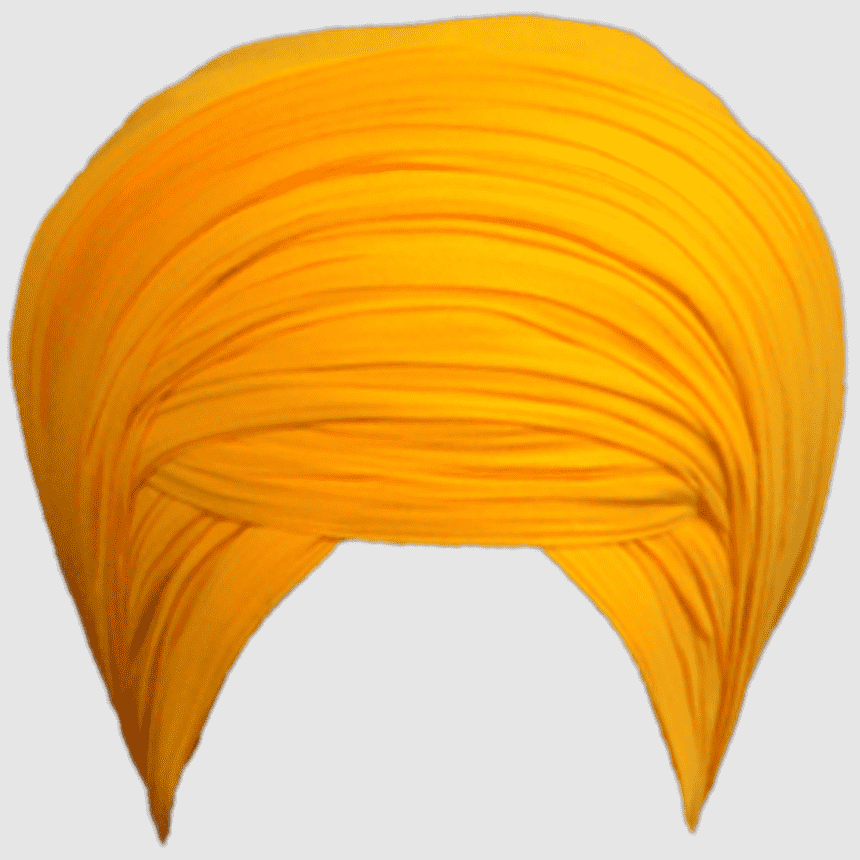
Simple Modern Pagg
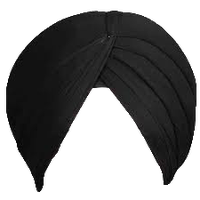
Nihang Turban
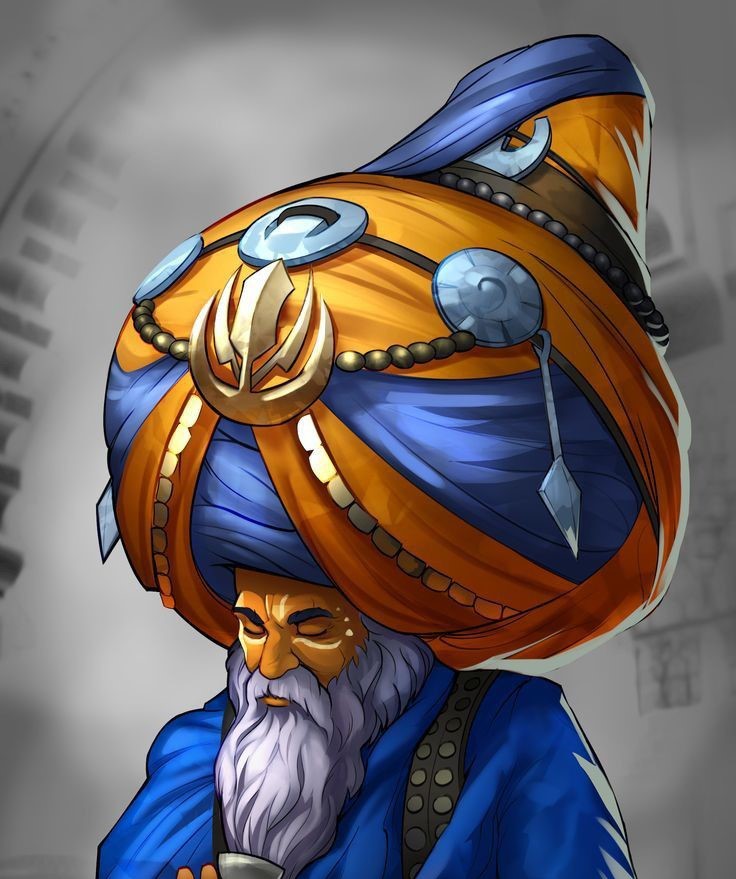
Turban Tying Training Services
Gill Turban Coach
A1 Turban Training Center
Ferozpuria Dastar Academy — Amritsar
Khalsa Turban Tying
Singh Turban Tying NJ
How to Tie a Sikh Patka (step-by-step)
Patka: A patka is considered a kid's turban or one that you can wear to play active sports in. Often, Sikhs tie one on under a regular turban as a way to hold it in place, which is why it's first in this article. It is a smaller piece of cloth than a full turban.
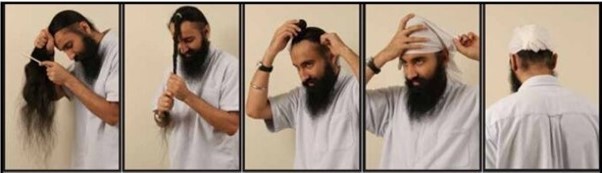
- Pull up your hair. Sikhs often pile their hair on top of their head in a type of bun to keep it under the fabric.
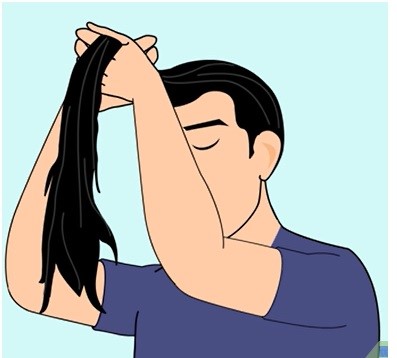
- Pull your hair to the top of your head as if you were making a ponytail there. Begin twisting the hair altogether, making a thick rope of your hair.
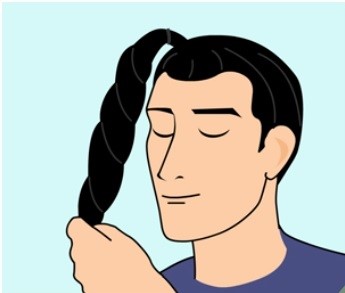
- Begin twisting the rope of hair around itself. Make a knot on the top of your head near the front. Keep wrapping it around itself. If it's long enough, you can pull part of it through itself to form a sort of slip knot. If not, wrap the end around the knot. Secure with an elastic holder if it doesn't want to stay.
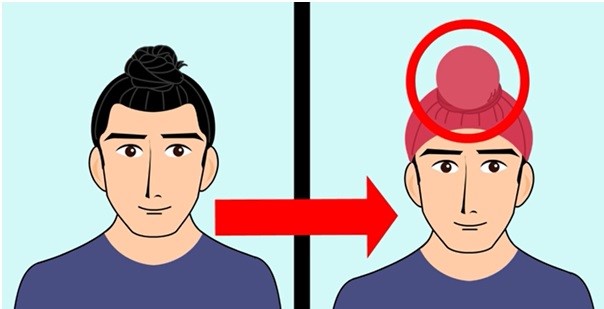
- Tie on a patka. Some Sikhs wear a patka under their turbans.
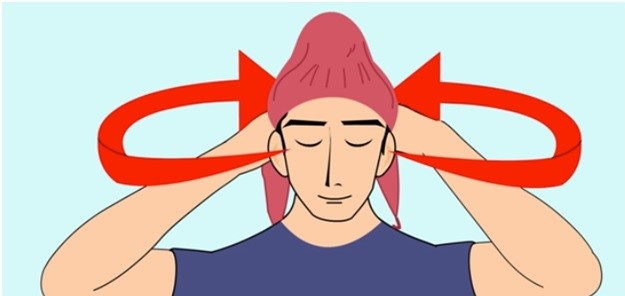
- Start with a patka cloth. Place it over your forehead, holding a corner in each hand. Tie the corners from the front at the back of your head.
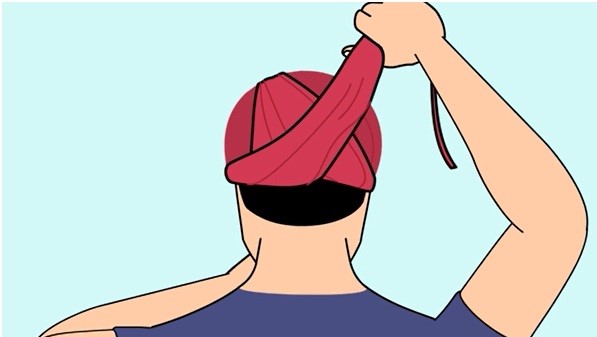
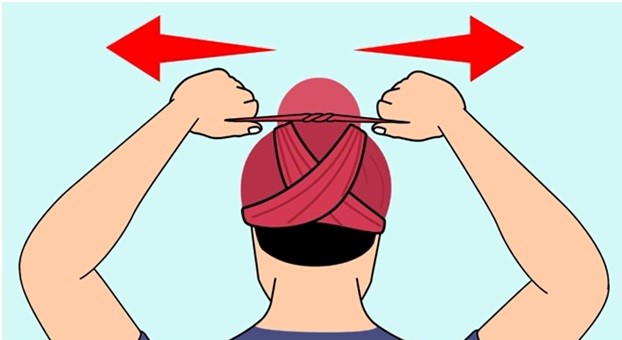
- Pull the corner strings up from the back. Cross one over and around the knot on your head, holding it under your chin for the moment. Cross the other one around the other way.
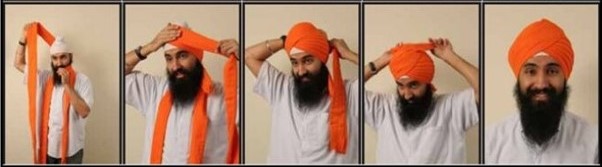
How to Tie a Sikh Pagri (step-by-step)
- Hold one corner of your turban in your mouth. Holding one end in your mouth allows you to have both hands free while you wrap the turban.
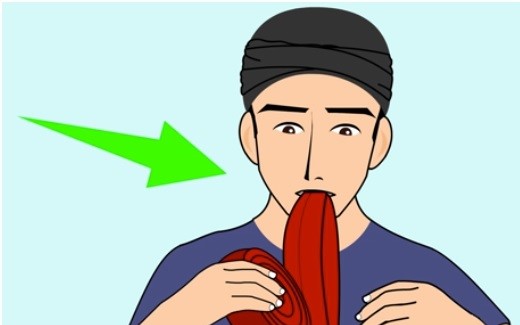
- Wrap the turban around the back of your head and then up around your hair knot. Pull it back around to the front, going around the knot. Let it go lower around the front of your head on one side.
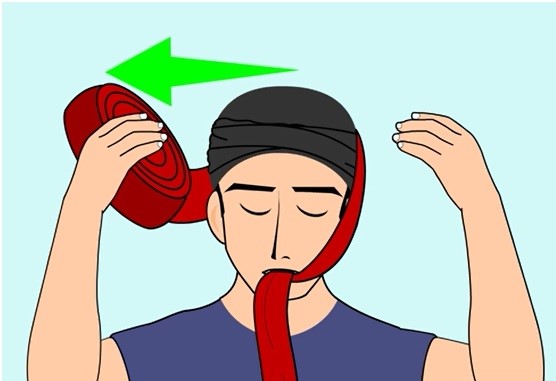
- Loop it around your head again. This time, go higher on the other side of your head as you loop around. Pull it down lower on the other side.
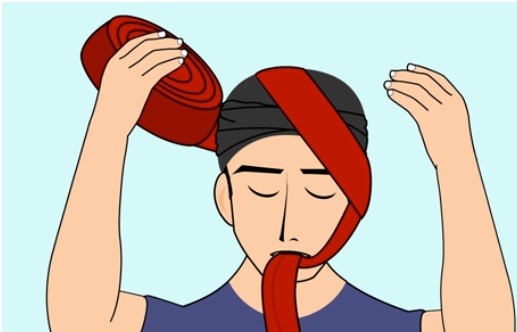
- Keep wrapping it around your head. Layer it as you go. In fact, you can create a stair-step effect on the front of your head as you wrap it around.
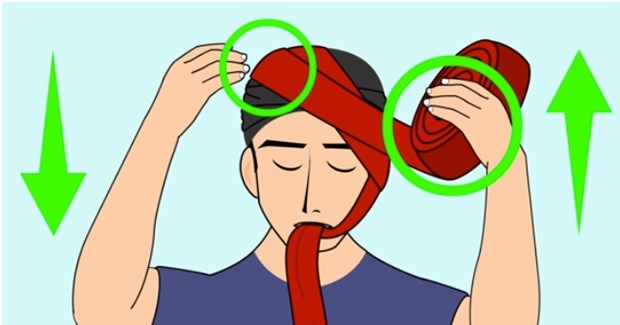
- Tuck in the end. When you come to the end of your turban cloth, tuck it into the top folds of the turban. Be sure to pull it tight so it stays in place.
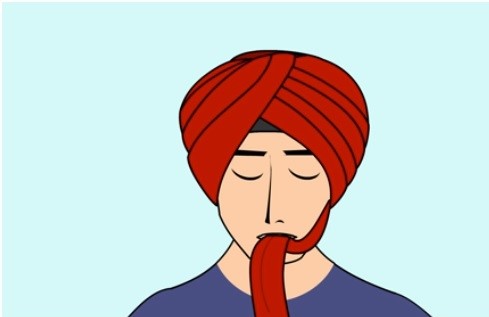
- Tuck the end from your mouth in. Pull the end around the back, and tuck it under the back folds of the fabric.
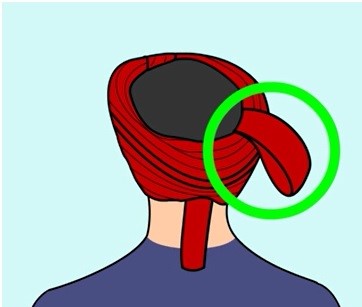
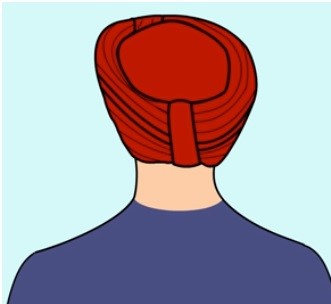
- Make adjustments. Stretch out the turban so it fits well over all parts of your head.