
Takht Sri Damdama Sahib Ji – Talwandi Sabo
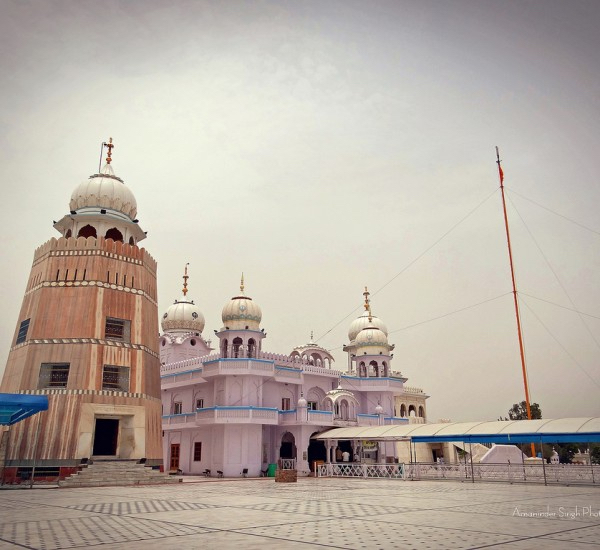
Key Visitor Information
- Address: Takht Sri Damdama Sahib, Talwandi Sabo, Bathinda District, Punjab 151302, India
- Gurudwara Timings: 4:00 AM – 9:00 PM (Open daily, Langar open 24x7)
- Nearest Railway Station: Raman Railway Station (~14 km) / Bathinda Junction (~28 km)
- Nearest Airport: Bhisiana Airport Bathinda (Domestic, ~45 km) / Sri Guru Ram Dass Jee Airport Amritsar (~200 km)
-
Google Maps Location:
📍 Open Damdama Sahib in Google Maps
Religious and Historic Importance
Takht Sri Damdama Sahib Ji is situated in Talwandi Sabo, Bathinda district of Punjab. The word "Damdama" signifies a place of rest or breathing space. Following fierce battles against Mughal tyrants and the heroic martyrdom of his four young Sahibzadas (Sahibzada Ajit Singh, Sahibzada Jujhar Singh, Sahibzada Zorawar Singh, and Sahibzada Fateh Singh), Guru Gobind Singh Ji arrived here in 1706 and stayed for nearly a year.
It was at Damdama Sahib that Guru Gobind Singh Ji accomplished one of his most momentous spiritual works: the re-compilation and finalization of Sri Guru Granth Sahib Ji (known as the Damdami Bir). Dictating the entire holy text entirely from memory to the devout scribe Shaheed Baba Deep Singh Ji, Guru Ji added the sacred hymns of his father, Ninth Guru Teg Bahadur Ji.
Guru Gobind Singh Ji declared Damdama Sahib as "Guru Ki Kashi" (the Center of Learning for Sikhs), envisioning it as a literary sanctuary where scholars, scribes, and poets would flourish. Baba Deep Singh Ji subsequently established the Damdami Taksal here, the famous Sikh scholastic academy responsible for training scholars and granthis.
Additionally, it was from Damdama Sahib that Guru Ji penned the famous historical epistle Zafarnama (Letter of Victory) to Mughal Emperor Aurangzeb, exposing the emperor's hypocrisy and upholding moral integrity. Recognized officially as the fourth Takht by SGPC in 1966 and confirmed by the Government of India in 1999, Damdama Sahib remains an enduring pillar of Sikh scholarship and spiritual solace.